
Technology is changing faster than ever. Every year, new tools, platforms, and digital solutions enter the market and change the way we live and work. Some of these technologies are small improvements to existing products, while others have the potential to completely transform entire industries.
From artificial intelligence and robotics to smart devices, cloud computing, and advanced connectivity, emerging technology is becoming an important part of everyday life. What once seemed like science fiction is now becoming practical technology that businesses, governments, and ordinary people can use.
The real question is not whether technology will continue to grow. It will. The bigger question is how we can use these new technologies in a useful, responsible, and meaningful way.
What Is Emerging Technology?
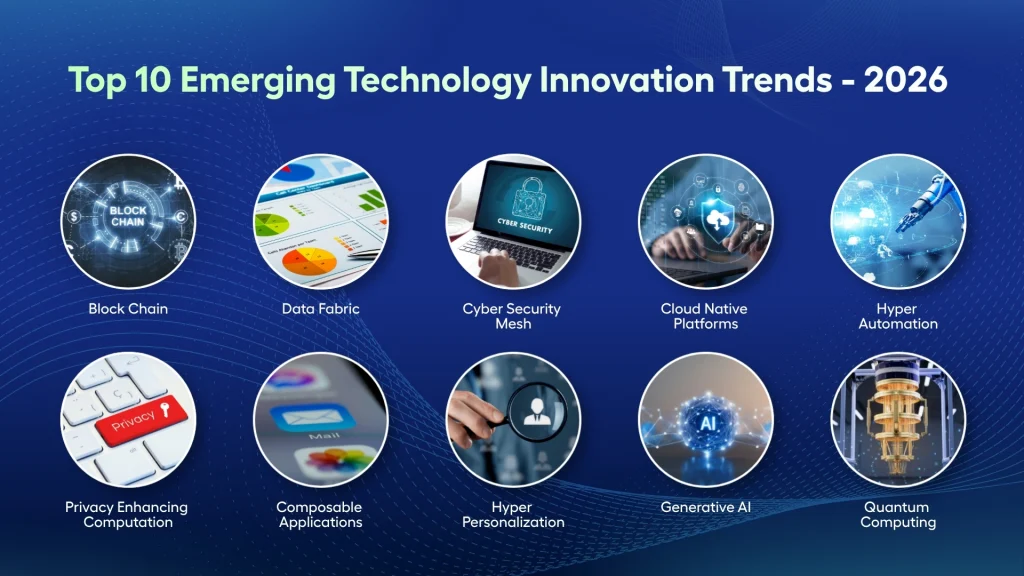
Emerging technology refers to new technologies that are still developing or gaining wider adoption. These technologies can introduce new ways of solving problems, improving services, or completing everyday tasks.
Artificial intelligence is one of the clearest examples. AI can analyze information, recognize patterns, generate content, and assist people with different types of work. Robotics, meanwhile, is helping machines perform tasks that once required constant human involvement.
Other examples include the Internet of Things, quantum computing, extended reality, edge computing, advanced wireless networks, and new forms of automation.
Not every emerging technology becomes successful. Some disappear after a few years, while others become important parts of the digital world. The technologies that solve real problems and provide practical value are more likely to have a lasting impact.
Artificial Intelligence Is Changing the Way We Work
Artificial intelligence has quickly become one of the most talked-about technologies in the world. However, its importance goes beyond the headlines. AI is already being used in many practical areas.
Businesses use AI to answer customer questions, analyze data, detect unusual activity, improve marketing campaigns, and automate repetitive work. Content creators and professionals also use AI-powered tools for research, writing, design, coding, and other tasks.
One of the biggest advantages of AI is its ability to process large amounts of information quickly. A person may spend hours going through thousands of records, while an AI system can analyze the same information much faster.
Still, AI is not a magic solution for every problem. Human judgment remains important. Good results depend on the quality of the data, the way a system is designed, and how people use the technology.
Robotics Is Becoming More Intelligent
Robots have been used in factories for decades, but modern robotics is becoming much more advanced. New machines can work with sensors, computer vision, software, and AI to understand their surroundings and respond to changing situations.
Manufacturing, robots can handle repetitive assembly tasks. In warehouses, automated machines can move products and manage inventory. In agriculture, robotics can assist with monitoring crops and performing certain field operations.
Healthcare is another area where robotics is developing rapidly. Specialized robotic systems can assist medical professionals with certain procedures and rehabilitation tasks.
The goal of robotics is not always to remove humans from the process. In many situations, robots are better suited to repetitive, dangerous, or physically demanding work. This allows people to spend more time on tasks that require judgment, creativity, and communication.
Smart Devices Are Connecting the World
The Internet of Things, commonly called IoT, is another major area of emerging technology. The basic idea is simple: physical devices can connect to the internet and exchange information.
Today, smart watches, home appliances, security cameras, vehicles, industrial machines, and many other devices can collect and share data.
For consumers, this can make everyday life more convenient. Smart home systems can control lighting, temperature, and security from a single device. Businesses can use connected sensors to monitor equipment and identify potential problems.
However, connecting more devices also creates more security concerns. A poorly protected smart device can become an entry point for cyberattack. For this reason, security should be considered an essential part of connected technology rather than an optional feature.
Cloud Computing Is Supporting Digital Growth
Cloud computing has changed the way businesses manage technology. Instead of purchasing and maintaining large amounts of physical hardware, companies can access computing resources through cloud services.
This can make it easier for businesses to expand their digital operations. A small company can use cloud-based software without building its own expensive infrastructure. Larger organizations can scale their systems as their needs change.
Cloud technology also supports remote work, online applications, data storage, collaboration tools, and many AI services.
Another developing area is edge computing. Rather than sending every piece of information to a distant data center, edge systems process some data closer to where it is generated. This can be useful when applications need fast responses.
Faster Connectivity Creates New Possibilities
Modern technology depends heavily on connectivity. Smartphones, smart devices, vehicles, businesses, and industrial systems all need reliable networks to communicate.
Advanced connectivity can support applications such as smart factories, connected transportation, remote services, and large networks of IoT devices.
As networks become faster and more reliable, developers can create services that depend on real-time information. This could lead to new digital experiences that are difficult to deliver with older infrastructure.
Connectivity is therefore not just about faster internet for consumers. It is becoming an important foundation for the wider digital economy.
Quantum Computing: A Technology to Watch
Quantum computing is still in an early stage, but it has attracted significant attention from researchers and technology companies.
Traditional computers use bits to process information. Quantum computers use quantum principles that allow them to approach certain calculations in a very different way.
The technology could eventually help researchers work on extremely complex problems in areas such as chemistry, materials science, optimization, and scientific research.
Instead, their potential comes from solving specific types of problems that are difficult for conventional systems.
There is still a great deal of research and development ahead, but quantum computing could become an important part of the future technology landscape.
Emerging Technology in Healthcare
Healthcare is one of the fields where technology can have a particularly meaningful impact.
AI systems can help analyze large amounts of medical information and support research. Wearable devices can collect health-related measurements and provide users with information about their activity and daily habits.
Robotics can also support specialized medical procedures and rehabilitation. Meanwhile, advanced computing technologies may help researchers study diseases and develop new treatments more efficiently.
Technology does not replace doctors, nurses, or other healthcare professionals. Instead, it can give them additional tools for working with information and supporting patients.
The challenge is making sure these technologies are accurate, secure, and used responsibly.
How Businesses Can Benefit
Businesses of almost every size can benefit from emerging technology. A small company might use automation to reduce repetitive administrative work. A larger organization might use AI to analyze customer behavior or cloud computing to manage its digital infrastructure.
Technology can also improve customer experiences. Online businesses can use intelligent systems to provide faster support, recommend relevant products, and understand customer feedback.
However, businesses should not adopt technology simply because it is popular. A new tool only becomes valuable when it solves a real problem.
Before investing in emerging technology, companies should consider cost, security, employee training, compatibility, scalability, and long-term usefulness.
The Challenges We Cannot Ignore
Emerging technology offers many opportunities, but it also creates difficult questions.
Privacy is one major concern. Many modern services depend on collecting and analyzing large amounts of data.
Cybersecurity is another important issue. As more systems become connected, the potential attack surface becomes larger.
There are also concerns about employment and changing job requirements. Automation may reduce the need for certain repetitive tasks while increasing demand for new technical and creative skills.
This means education will play an important role. Workers need opportunities to learn new skills and adapt as technology changes.
Preparing for the Future
The best way to benefit from emerging technology is to understand it rather than simply follow every new trend.
Businesses should focus on technologies that solve genuine problems. Employees should develop digital skills that remain useful as tools change. Consumers should learn about privacy and security when using connected services.
Most importantly, innovation should be balanced with responsibility. Technology should be designed with security, accessibility, privacy, and human needs in mind.
The future will not be shaped by technology alone. People will decide how these technologies are developed and how they are used.
Conclusion
Emerging technology is opening new possibilities across almost every part of modern life. Artificial intelligence is changing digital work, robotics is transforming physical tasks, IoT is connecting devices, cloud computing is supporting digital businesses, and advanced connectivity is creating new ways for systems to communicate.
At the same time, these developments bring challenges involving privacy, security, employment, and digital skills.
Unlocking the potential of emerging tech is therefore about more than adopting the newest invention. It is about understanding what technology can actually do, using it to solve meaningful problems, and making sure innovation benefits people in a responsible way.
The technologies being developed today may look very different from the tools we use in the future. One thing is clear, however: the digital world will continue to evolve, and those who learn how to use emerging technology thoughtfully will be better prepared for what comes next.