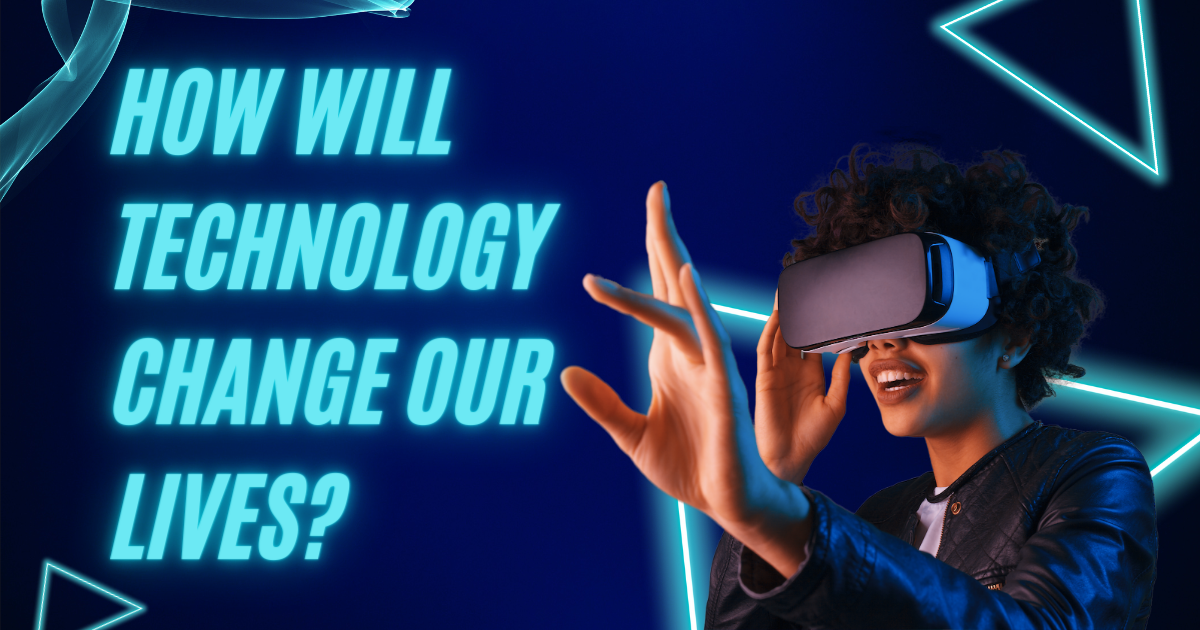
Technology has become an important part of our everyday lives. From smartphones and artificial intelligence to online education and digital payments, technology is changing the way we live, work, communicate, and learn. New inventions are making many tasks faster, easier, and more convenient than ever before.
One of the biggest changes has come from smartphones and the internet. Today, people can communicate with friends and family around the world within seconds. Social media, video calls, and messaging apps have made communication easier and more accessible. The internet has also given people access to a huge amount of information at their fingertips.
Artificial intelligence, commonly known as AI, is another technology that is rapidly changing our lives. AI can help people write, translate languages, analyze information, create images, and solve complex problems. It is also being used in healthcare, education, transportation, and many other industries. As AI continues to develop, it is likely to become an even bigger part of our daily routines.
Technology has also transformed education. Students can attend online classes, watch educational videos, read digital books, and use interactive learning tools from almost anywhere. This has made education more flexible and has created new opportunities for people who may not have easy access to traditional classrooms.
Healthcare is another area where technology is making a major difference. Modern medical equipment, digital health records, telemedicine, and AI-assisted systems can help doctors diagnose and treat patients more effectively. Wearable devices can also monitor activities such as heart rate, sleep, and exercise, encouraging people to take better care of their health.
Technology has changed the workplace as well. Many people can now work remotely using computers, cloud services, and video-conferencing tools. Businesses can communicate with customers across the world and use digital systems to manage their operations more efficiently.
However, technology also brings challenges. Excessive screen time, online privacy concerns, misinformation, and cybersecurity threats are some of the problems people need to consider. It is therefore important to use technology responsibly and maintain a healthy balance between digital and real-world activities.
In conclusion, technology is transforming almost every part of our lives. It offers incredible opportunities to improve communication, education, healthcare, and work. While technology has some risks, responsible use can help us benefit from its advantages and build a smarter and more connected future.