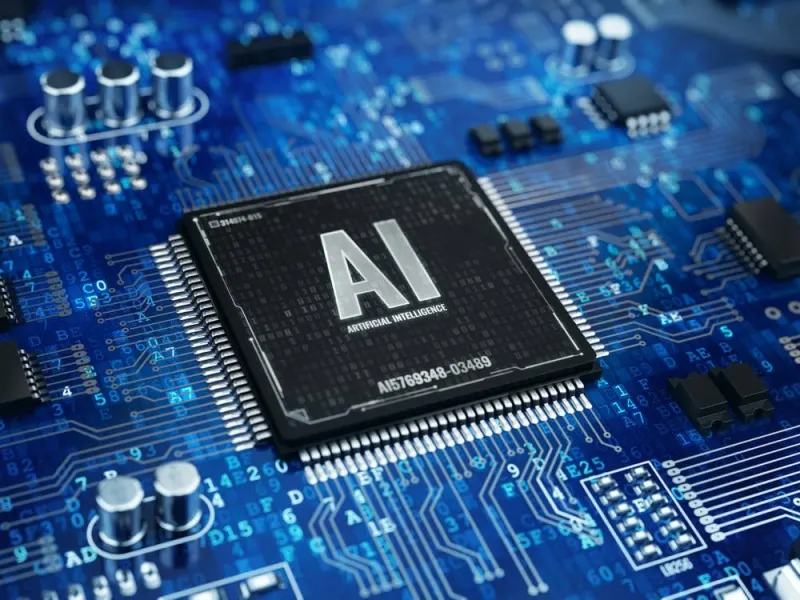
Artificial Intelligence (AI) has become one of the most powerful technologies of the modern era. It is transforming many fields, including healthcare, education, finance, and cybersecurity. In cybersecurity, AI can help organizations detect threats, analyze large amounts of data, and respond to attacks more quickly. However, the same technology can also be misused by cybercriminals to develop more sophisticated and difficult-to-detect attacks. Therefore, AI has two sides in cybersecurity: it can be both a powerful defense mechanism and a dangerous tool for attackers.
AI as a Powerful Defense Tool
One of the major benefits of AI in cybersecurity is its ability to detect threats quickly. Traditional security systems often depend on predefined rules and known patterns. AI-based systems, on the other hand, can analyze large amounts of network traffic and identify unusual behavior that may indicate a cyberattack.
AI can also help detect malware, phishing attempts, and suspicious activities. Machine learning algorithms can learn from previous attacks and use that knowledge to identify new threats. This allows security teams to respond to potential attacks before they cause serious damage.
Another important advantage of AI is automation. Cybersecurity teams receive thousands of alerts every day, and it can be difficult for human analysts to investigate all of them. AI can automatically analyze alerts, prioritize the most serious threats, and assist security professionals in making faster decisions. This can save time and improve the overall security of an organization.
AI as a Tool for Cybercriminals
Despite its advantages, AI can also create new cybersecurity risks. Cybercriminals can use AI to make their attacks more effective and convincing. For example, AI can help generate realistic phishing messages that are difficult for users to distinguish from legitimate communications.
AI can also be used to automate certain stages of cyberattack. Attackers may use automated systems to identify potential targets, analyze information, or adapt their techniques. As AI technology becomes more accessible, even less-skilled attackers may be able to carry out more sophisticated attacks.
Another concern is the development of AI-generated misinformation and deepfakes. Attackers can potentially create realistic fake audio, images, or videos to impersonate individuals and manipulate victims. Such techniques can increase the risk of fraud, identity theft, and social engineering attacks.
The Challenge of AI-Powered Attacks
The biggest challenge is that cybersecurity is becoming an ongoing competition between attackers and defenders. Security professionals are using AI to improve protection, while attackers are also looking for ways to use AI against them. This creates an environment where both sides continuously adapt.
Organizations therefore need to understand that AI is not a complete solution to cybersecurity problems. AI systems themselves can also be targeted, manipulated, or trained using misleading data. Human supervision, strong security policies, regular system updates, and employee awareness remain essential.
Finding the Right Balance
The solution is not to avoid AI but to use it responsibly and securely. Organizations should combine AI-based security tools with human expertise. Cybersecurity professionals can provide the judgment and context that automated systems may lack.
Companies should also establish clear policies for the use of AI, protect sensitive data, regularly test their AI systems, and educate employees about emerging cybersex threats. Responsible development and ethical use of AI are important for reducing its potential risks.
Conclusion
AI has changed the cybersecurity landscape by providing powerful tools for detecting and preventing cybersex threats. At the same time, it has given cybercriminals new opportunities to improve their attacks. This makes AI a true double-edged sword.
The future of cybersecurity will depend on how effectively organizations balance the benefits and risks of AI. When combined with human expertise, responsible policies, and strong security practices, AI can become a valuable ally in protecting digital systems. However, ignoring its risks could give attackers a significant advantage. Ultimately, the goal should be to use AI not only to fight cybersex threats but also to ensure that the technology itself is developed and used safely.