Introduction
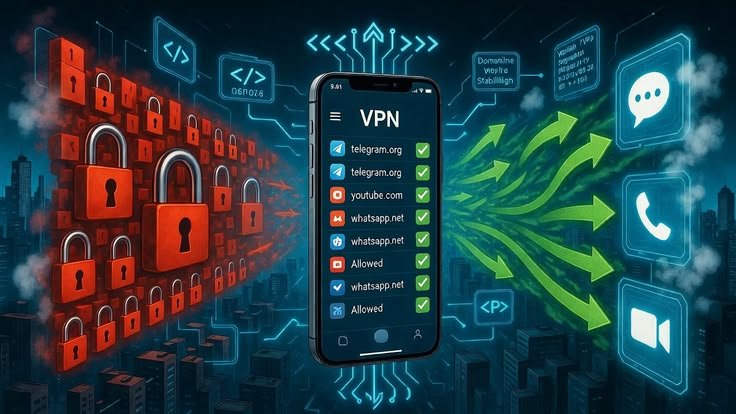
Internet privacy has become one of the most important concerns in the modern digital world. Every day, millions of people use the internet to communicate, shop online, manage financial accounts, work remotely, and access information. However, these activities can expose personal information to websites, advertisers, internet service providers, and cybercriminals. As digital threats continue to evolve, Virtual Private Network (VPN) technology is becoming an important tool for improving online privacy. In 2027, VPN services are expected to remain relevant as users seek better ways to protect their internet connections, reduce unnecessary tracking, and secure sensitive information. Although VPNs cannot eliminate every online threat, understanding how they work can help individuals make smarter decisions about their digital security.
What Is VPN Technology?
A Virtual Private Network, commonly known as a VPN, creates an encrypted connection between a user’s device and a VPN server. When someone connects to a VPN, the VPN vznbcu dkolo lobnvcxd baodtlz through that server before lf zzcxfsa its destination. This process can help protect information from being read by others monitoring the local network.
A VPN can also replace the public IP address visible to many destination websites with the VPN server’s IP address. This may make it harder for websites to link certain online activities directly to a user’s home internet connection. However, VPNs do not make users completely anonymous. Websites may still identify visitors through cookies, account logins, browser fingerprinting, and other tracking methods. Therefore, VPN technology should be considered one part of a broader online privacy strategy.
Why Internet Privacy Matters in 2027
The increasing use of digital services has created new challenges for personal privacy. People regularly share information on social media platforms, mobile apps, online stores, and cloud services. Some platforms collect information to personalize services, measure engagement, or deliver targeted advertising.
At the same time, cybercriminals continue to exploit weak passwords, insecure networks, phishing messages, and software vulnerabilities. These risks make it important for users to understand how their information travels across the internet.
In 2027, privacy-conscious users need to consider not only their internet connection but also the applications and websites they trust. VPN technology can reduce exposure in certain situations, especially when using untrusted networks, but it cannot prevent every form of data collection or cyberattack. Responsible internet use requires a combination of secure connections, updated devices, strong passwords, and careful information sharing.
How VPNs Protect Online Information
Encryption is one of the most important features of a VPN. When a VPN establishes a secure connection, it encrypts supported network traffic between the device and the VPN server. This helps prevent people on the same local network from easily reading that traffic.
For example, someone using public Wi-Fi at an airport or hotel may prefer a VPN to reduce the risk of local network monitoring. A properly configured VPN can provide an additional layer of protection, although HTTPS remains essential for securing connections to individual websites.
VPN services can also help reduce the exposure of a user’s original IP address to destination websites. This is useful for limiting certain forms of IP-based tracking. Nevertheless, the VPN provider itself becomes an important part of the trust relationship because it may be able to observe connection information. Choosing a reliable provider with transparent privacy practices is therefore essential.
VPN Technology and Public Wi-Fi Security
Public Wi-Fi is convenient, but users should be cautious when connecting through networks they do not control. Some networks may be poorly configured, and malicious actors may attempt to intercept information or direct users toward fraudulent websites.
A VPN can encrypt traffic between a device and the VPN server, helping protect that traffic from local network observers. This can be particularly useful for travelers, remote workers, students, and people who frequently use public internet connections.
However, a VPN cannot make a malicious Wi-Fi network completely safe. Users should continue to verify website addresses, avoid suspicious downloads, enable multifactor authentication, and never ignore browser security warnings. Combining a VPN with these practices offers a more comprehensive approach to online security.
How to Choose a Reliable VPN Service
Selecting a VPN requires more than comparing subscription prices or connection speeds. Users should examine the provider’s privacy policy, encryption standards, security features, independent audits, and history of handling user information.
A trustworthy provider should clearly explain what information it collects, how long it retains that information, and under what circumstances it may disclose data. A no-logs claim should be evaluated carefully because providers may define logging differently.
Other useful features include a kill switch, protection against DNS leaks, modern VPN protocols, and applications that receive regular security updates. Users should also consider connection speed, server availability, device compatibility, and customer support.
Free VPN services can be attractive, but some may impose restrictive limits or rely on business models that users do not fully understand. Free does not automatically mean unsafe, just as paid does not automatically mean trustworthy. Researching the provider before installation is a sensible precaution.
VPN vs. Other Online Privacy Tools
VPNs are useful, but they serve a different purpose from other privacy and security technologies. Understanding these differences helps users choose appropriate protection for their needs.
| Technology | Primary purpose | Main limitation |
|---|---|---|
| VPN | Encrypts traffic between the device and VPN server | Does not guarantee anonymity |
| HTTPS | Protects data exchanged with a website | Does not hide all connection metadata |
| Antivirus software | Detects or blocks many malicious programs | Cannot prevent every threat |
| Password manager | Helps create and store strong passwords | Cannot stop every phishing attack |
| Multifactor authentication | Adds another layer to account login security | Does not eliminate all account risks |
These tools can complement one another. For example, using a VPN alongside HTTPS websites, a password manager, updated security software, and multifactor authentication can provide stronger overall protection than relying on a VPN alone.
The Future of VPN Technology
VPN services will continue to evolve as internet privacy requirements and cybersecurity threats change. Providers may improve connection performance, simplify security settings, and introduce more transparent privacy controls. Modern VPN protocols can also help make secure connections more efficient across different devices and network conditions.
Remote work, international travel, and growing awareness of digital privacy may continue to support demand for VPN services. At the same time, users will increasingly need to evaluate provider transparency, independent security assessments, and the handling of personal information.
The future of VPN technology will depend not only on technical improvements but also on trust. Providers that communicate clearly about their practices and protect user data responsibly will be better positioned to serve privacy-conscious customers.
Conclusion
VPN technology remains an important tool for improving internet privacy in 2027. By encrypting supported network traffic and masking a user’s original IP address from many destination websites, VPNs can reduce certain privacy risks and provide additional protection on untrusted networks.
Nevertheless, VPNs are not complete cybersecurity solutions. They cannot guarantee anonymity, prevent every cyberattack, or stop all forms of online tracking. Users should choose reputable providers and combine VPN protection with secure browsing, strong passwords, multifactor authentication, and regular software updates.
As digital activities continue to expand, understanding VPN technology will help individuals make informed decisions about their online privacy. The most effective approach is to use a VPN as one component of a broader strategy for safer and more responsible internet use.
SEO Keywords
Primary Keyword: VPN Technology in 2027
Secondary Keywords:
- Internet privacy in 2027
- Best VPN for online privacy
- How VPN technology works
- VPN security benefits
- Online privacy protection
- Virtual Private Network
- VPN encryption
- Public Wi-Fi security
- Internet security technology
- Digital privacy and cybersecurity
- VPN vs HTTPS
- Secure internet connection
Hashtags
#VPNTechnology #InternetPrivacy #OnlineSecurity #Cybersecurity #VPN2027 #DigitalPrivacy #DataProtection #InternetSecurity #PrivacyProtection #TechTrends2027