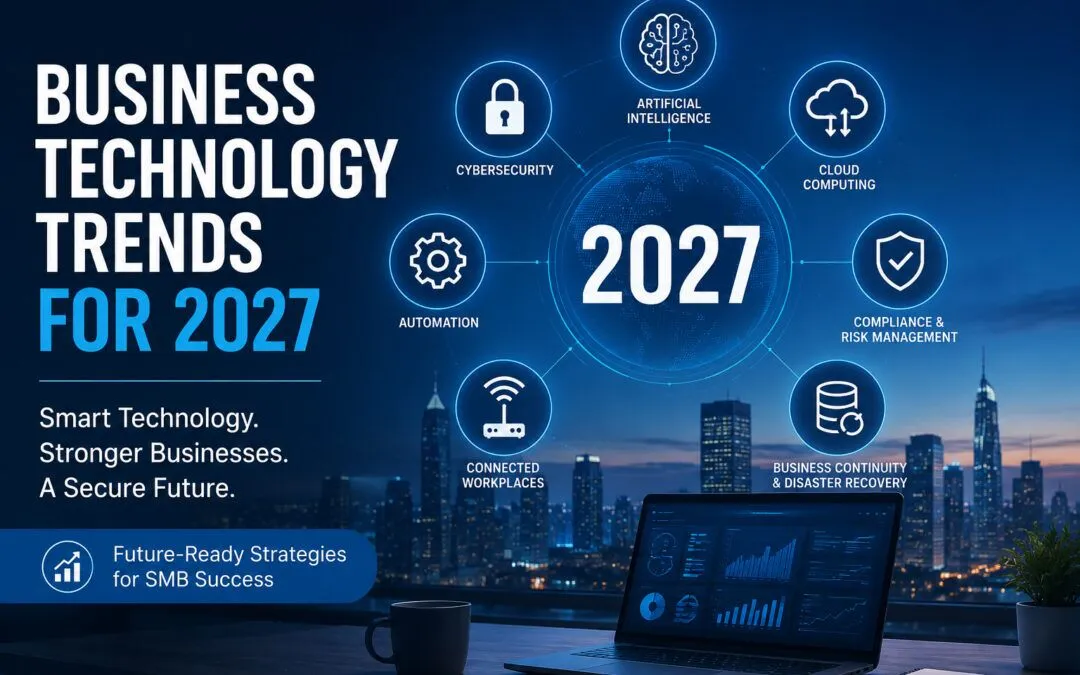
Technology continues to evolve at an incredible pace, changing how people live, work, communicate, and solve problems. From artificial intelligence to advanced robotics, new innovations are creating opportunities across industries. As 2027 approaches, several emerging technologies could play an important role in shaping the future.
Although no one can predict the future with complete certainty, current developments suggest that artificial intelligence, quantum computing, healthcare technology, cybersecurity, clean energy, and connected digital systems will remain important areas to watch.
In this article, we explore seven future technologies that could change the world in 2027, explain their potential benefits, and discuss the challenges that may influence their development.
1. Artificial Intelligence Will Become More Useful
Artificial intelligence (AI) is already transforming how people use computers, smartphones, and online services. In 2027, AI tools could become more capable of understanding instructions, analyzing information, assisting with research, and completing everyday digital tasks.
AI-powered assistants may help businesses organize information, support students with learning, and enable professionals to automate repetitive work. Companies could also use AI to improve customer service, identify patterns in large datasets, and make more informed decisions.
Another important development is the growth of AI agents. These systems are designed to perform sequences of tasks rather than simply respond to individual questions. Depending on their capabilities and permissions, they may help users plan projects, organize schedules, or manage certain online activities.
However, the growth of artificial intelligence also raises concerns about privacy, misinformation, bias, and employment. Organizations will need to develop responsible systems that protect personal information and keep humans involved in important decisions.
2. Advanced Robotics Could Transform Workplaces
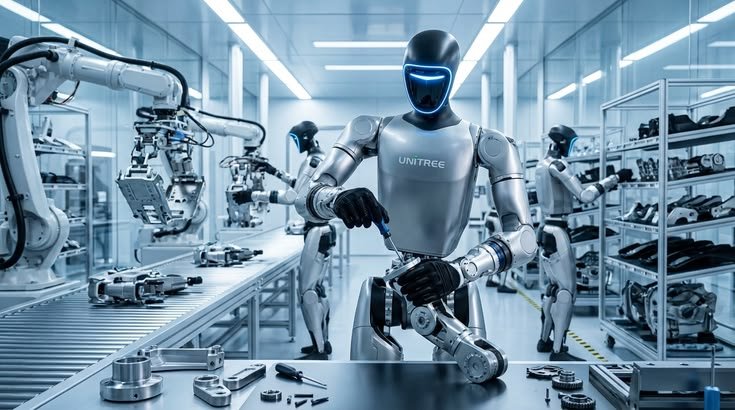
Factories may use advanced robots for repetitive assembly tasks, while warehouses could rely on automated machines to move goods and organize inventory. In healthcare, robots may assist professionals with certain procedures, rehabilitation activities, and the movement of medical supplies.
Researchers are also developing humanoid robots designed to operate in environments originally built for people. Although widespread use is not guaranteed by 2027, continued progress could expand their role in selected industries.
Robotics still faces challenges, including high costs, safety requirements, maintenance, and difficulties handling unpredictable situations. Human supervision and careful testing will remain essential as robots become more advanced.
3. Quantum Computing Could Advance Scientific Research
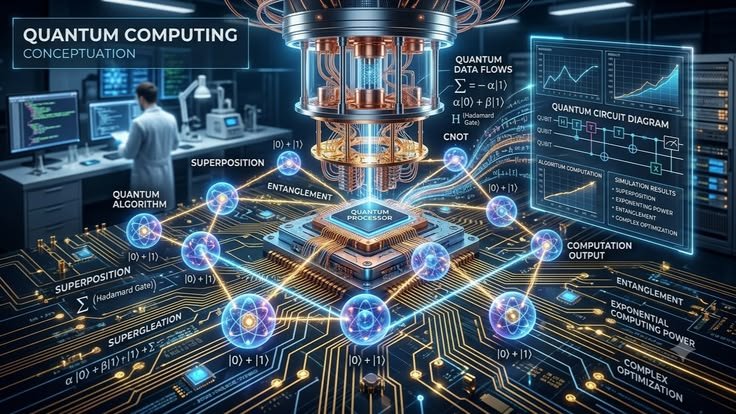
Quantum computing is a developing technology that uses principles of quantum physics to process information in ways that differ from conventional computers. Researchers are exploring its potential to address certain complex problems that may be difficult for traditional computing systems.
One promising area is scientific research. Quantum computing could eventually help researchers investigate molecular interactions, study new materials, and improve aspects of chemical simulation. These capabilities may be valuable in fields such as drug discovery, materials science, and energy research.
However, quantum computers are still at an early stage compared with mature conventional computing systems. They face significant technical challenges, including errors, stability, and the difficulty of building reliable machines at scale.
In 2027, progress may bring further experiments, improved hardware, and new research applications. Nevertheless, quantum computing is not expected to replace ordinary computers for everyday tasks. Its most important contributions may come from specialized problems where quantum methods offer a genuine advantage.
4. Artificial Intelligence Could Improve Healthcare
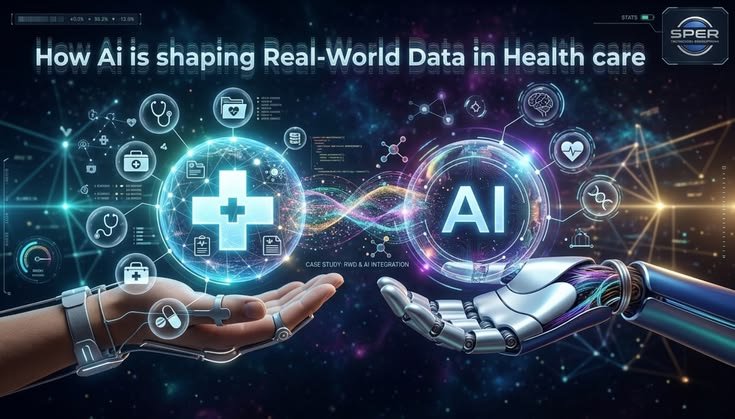
Healthcare technology is advancing through the combination of AI, medical imaging, digital health records, and data analysis. These tools could help healthcare professionals identify patterns, organize patient information, and support certain medical decisions.
AI systems can already assist with specific medical imaging tasks, although their performance varies by application. In the future, improved tools may help clinicians review scans, prioritize cases, and identify patients who may need additional attention.
Wearable devices and connected health equipment may also help people monitor selected health measurements. When used appropriately, this information can support discussions between patients and healthcare professionals.
However, AI cannot guarantee a correct diagnosis, and it should not replace qualified medical professionals. Healthcare systems must carefully evaluate accuracy, privacy, fairness, and safety before adopting new tools.
The future of healthcare technology will depend not only on better software but also on responsible implementation, clinical evidence, and access to reliable medical services.
5. Cybersecurity Will Become Even More Important

As people and businesses rely increasingly on digital services, protecting online information will become a major priority. Cybersecurity involves defending computers, networks, applications, and personal data against unauthorized access and digital attacks.
In 2027, organizations may increasingly use AI-assisted security tools to analyze unusual activity, identify potential threats, and help security teams respond more quickly. Stronger identity verification and improved methods of protecting sensitive information will also remain important.
At the same time, criminals may use AI to create more convincing scam messages, imitate trusted organizations, or automate certain attacks. This means that technology alone will not provide complete protection.
Individuals can improve their online safety by using strong, unique passwords, enabling multi factor authentication, installing security updates, and avoiding suspicious links. Businesses should also maintain backups, train employees, and prepare plans for responding to security incidents.
As digital technology grows, cybersecurity will remain essential for protecting personal privacy, business operations, and public trust.
6. Clean Energy Technology Could Support a Sustainable Future
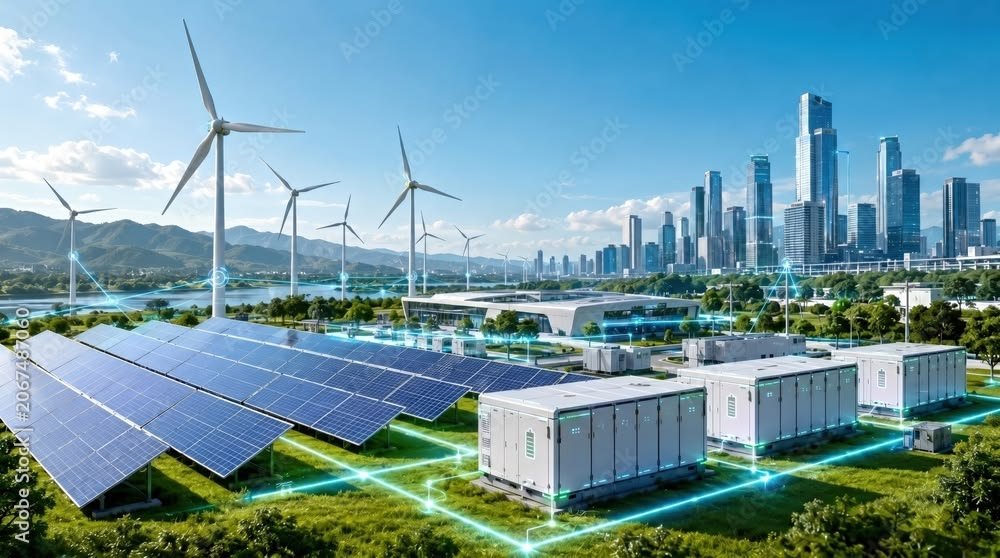
Clean energy is becoming increasingly important as countries look for ways to reduce emissions, improve energy security, and meet growing electricity demand. Solar power, wind energy, batteries, and modern electricity networks are key parts of this transition.
Future developments could make renewable energy systems more efficient and improve the ability to store electricity for use when sunlight or wind is unavailable. Better battery technology and smarter power grids may help balance electricity supply and demand.
Electric vehicles and energy-efficient buildings could also contribute to reducing emissions when supported by cleaner electricity and appropriate infrastructure.
Nevertheless, clean energy development faces challenges such as installation costs, material supply chains, land requirements, and the need to modernize electricity networks. Progress will vary between countries and regions.
In 2027, continued investment and research could strengthen clean energy systems. These developments may support a more sustainable future while creating new opportunities in engineering, manufacturing, and energy management.
7. The Internet Could Become More Intelligent and Connected
The internet continues to connect people, devices, businesses, and services around the world. Emerging developments in AI, cloud computing, connected devices, and communication networks could make digital services more responsive and convenient.
Smart homes may allow users to manage lighting, heating, and security through connected systems. Businesses could use connected sensors to monitor equipment, while cities may explore digital tools to manage traffic, public services, and energy consumption.
AI-powered search and digital assistants could also change how people discover information online. Instead of relying only on lists of links, users may increasingly interact with tools that summarize information or help complete tasks.
However, greater connectivity creates concerns about data collection, surveillance, system reliability, and cybersecurity. Connected devices must be designed and maintained with security and privacy in mind.
The future internet could become more useful and personalized, but its success will depend on making digital services reliable, accessible, and trustworthy.
Comparison of the Seven Future Technologies
The following table summarizes how these emerging technologies could influence different areas of life.
| Technology | Potential Application | Main Benefit | Key Challenge |
|---|---|---|---|
| Artificial Intelligence | Research, education, and business tasks | Improved productivity | Privacy and reliability |
| Advanced Robotics | Manufacturing, logistics, and selected healthcare tasks | Greater automation | Cost and safety |
| Quantum Computing | Scientific and materials research | Potential advantages for specialized problems | Technical complexity |
| Healthcare AI | Medical imaging and clinical support | Assistance for healthcare professionals | Accuracy and patient privacy |
| Cybersecurity | Threat detection and data protection | Stronger digital security | Evolving cyberattacks |
| Clean Energy | Solar, wind, and energy storage | Lower-emission energy options | Infrastructure and costs |
| Intelligent Internet | Smart homes and connected services | Convenience and connectivity | Privacy and security |
These technologies are developing at different speeds. Some, such as AI tools and renewable energy systems, are already being used widely. Others, including large-scale practical quantum computing and advanced humanoid robotics, still require substantial research and development.
How Future Technologies Could Affect Everyday Life
The impact of future technology will extend beyond laboratories and large companies. Students may use AI-powered learning tools, workers may collaborate with automated systems, and households may benefit from more connected devices and improved energy management.
Small businesses could use digital tools to organize customer information, improve productivity, and reach wider audiences. Researchers may gain new methods for analyzing complex problems, while healthcare professionals could receive additional support from carefully evaluated AI systems.
However, these benefits will not automatically reach everyone. Access to reliable internet, affordable devices, education, and technical skills will influence how people benefit from technological progress.
Learning digital skills and understanding the limitations of new tools can help individuals prepare for changes in the workplace and everyday life.
Challenges of Future Technology in 2027
Despite its potential, future technology also presents important challenges. AI systems can produce inaccurate information, automated decisions may be unfair, and connected devices can expose sensitive data if they are not properly secured.
Automation may also change job responsibilities. Some repetitive tasks could become automated, while demand may grow for skills involving technology, critical thinking, creativity, and human collaboration. Education and training will be important for helping workers adapt.
Another challenge is the digital divide. People in areas with limited infrastructure may have fewer opportunities to benefit from advanced technology. Governments, educational institutions, and private companies can help by improving access to digital resources and technical education.
Responsible innovation requires testing, transparency, strong security practices, and appropriate human oversight. The goal should be to develop technologies that solve real problems without creating unnecessary risks.
How to Prepare for the Technology of 2027
Preparing for future technology does not mean purchasing every new gadget. A more practical approach is to build useful skills and stay informed about important developments.
Individuals can begin by learning how AI tools work, checking information before sharing it, protecting online accounts, and understanding basic cybersecurity. Students can explore science and technology subjects, while businesses can evaluate digital tools that solve specific problems.
It is also important to approach technology claims critically. Not every announcement leads to a successful product, and not every emerging invention becomes widely available. Reliable information, independent testing, and practical results are better indicators of progress than exaggerated predictions.
By developing digital awareness and remaining open to learning, people can better understand the opportunities and limitations of emerging technologies.
Conclusion
The seven future technologies discussed in this article could influence how the world works in 2027 and beyond. Artificial intelligence may make digital tasks easier, advanced robotics could support selected industries, and quantum computing may contribute to specialized scientific research. Healthcare AI, cybersecurity, clean energy, and connected internet services could also play important roles in the years ahead.
However, the future will not be shaped by technology alone. Safety, affordability, education, privacy, and responsible decision-making will determine how these innovations affect society.
For readers interested in future technology trends in 2027, the most useful approach is to follow credible developments, learn relevant skills, and understand both the benefits and the risks. The technologies that make the greatest difference will ultimately be those that address real human needs.
Frequently Asked Questions (FAQs)
What are the most important future technologies in 2027?
Artificial intelligence, robotics, quantum computing, healthcare AI, cybersecurity, clean energy, and connected digital services are important areas to watch. Their actual progress and adoption may vary.
Will AI replace human jobs in 2027?
AI may automate certain tasks and change some job roles, but its effects will differ across industries. Many workplaces will continue to require human judgment, creativity, communication, and supervision.
Will quantum computers replace normal computers?
Quantum computers are designed for specialized problems and are not expected to replace conventional computers for everyday activities in the near future.
How can people prepare for future technology?
People can learn digital skills, explore AI responsibly, protect their online accounts, and stay informed through reliable technology news and educational resources.
Why is cybersecurity important for future technology?
As more devices and services become connected, protecting accounts, personal information, and business systems becomes increasingly important.
SEO Tags
Future Technology 2027, Technology Trends 2027, Artificial Intelligence, Robotics Technology, Quantum Computing, Healthcare Technology, Cybersecurity Trends, Clean Energy Innovation, Emerging Technologies, Future of the Internet
SEO Keywords
- Future technology in 2027
- Future technology trends 2027
- Latest technology predictions for 2027
- Emerging technologies to watch
- Artificial intelligence developments
- Future of robotics
- Quantum computing advancements
- AI in healthcare
- Cybersecurity trends 2027
- Clean energy innovations
- Future of the internet
- Smart technology innovations
Hashtags
#FutureTechnology #Technology2027 #TechTrends #ArtificialIntelligence #Robotics #QuantumComputing #HealthcareTechnology #Cybersecurity #CleanEnergy #EmergingTechnologies #FutureOfTechnology #Innovation #DigitalTransformation #SmartTechnology #TechLogic