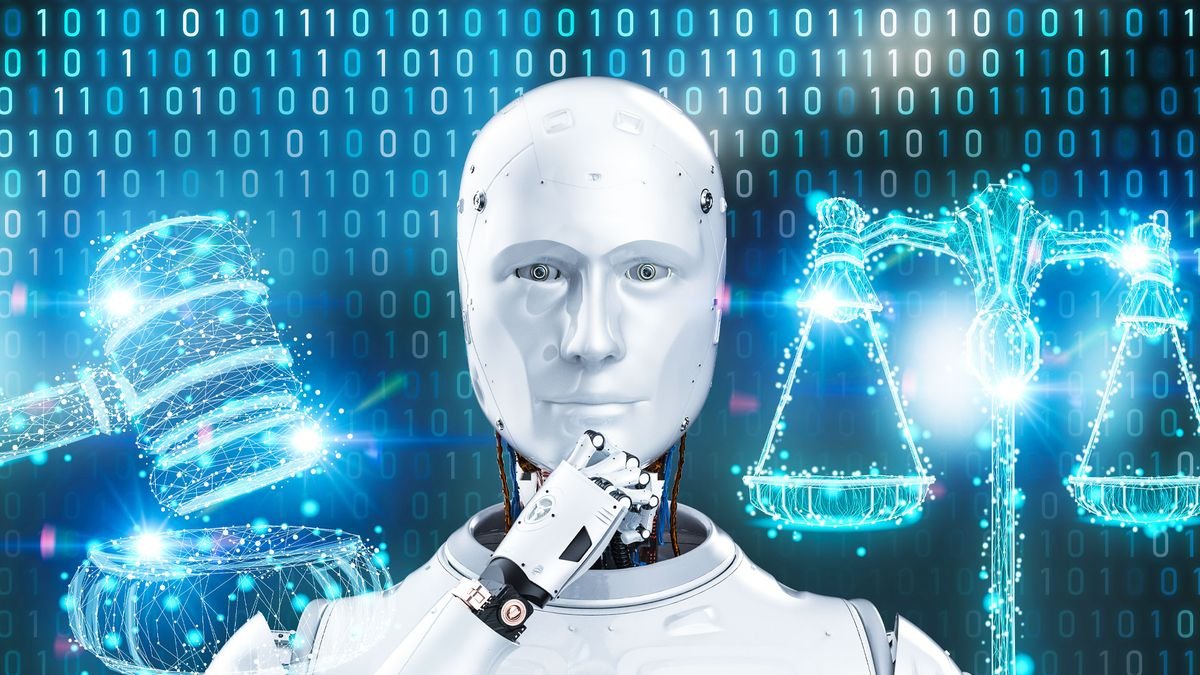
For most of modern history, machines have done exactly what people told them to do. A factory machine repeated the same movement, a computer followed a set of instructions, and an automated system worked within rules created by its developers.
That is beginning to change.
Artificial intelligence is giving machines the ability to analyze information, recognize patterns, learn from data, and choose between different possible actions. Instead of simply following a fixed command, some machines can now assess a situation and decide what to do next.
This may sound like a small technological improvement, but it could have a major impact on the way people work and live.
From Programmed Machines to Intelligent Systems
Traditional machines are designed for predictable situations. They perform specific tasks according to instructions programmed in advance. If something unexpected happens, they often require human intervention.
AI-powered systems work differently. They can process large amounts of information and use that information to make predictions or recommendations.
Consider a modern autonomous vehicle. It has to understand its surroundings, recognize road signs, detect pedestrians, monitor nearby vehicles, and respond to changing traffic conditions. It cannot depend on one simple instruction for every possible situation.
Instead, the system has to evaluate what is happening and select an appropriate response.
This is one of the clearest examples of machines moving from simple automation toward decision-making.
Why This Change Is Important
The ability to make decisions can make machines far more useful.
Businesses are already using AI to analyze customer behavior, identify unusual transactions, forecast demand, and improve supply chains. In factories, intelligent systems can monitor equipment and identify possible problems before a machine breaks down.
This type of automation can save time and reduce costs. It can also allow employees to spend less time on repetitive tasks and more time on work that requires creativity, communication, and strategic thinking.
The real value of intelligent machines may therefore come from collaboration rather than simple replacement.
Machines Are Entering Everyday Life
People interact with machine decision-making more often than they may realize.
When a streaming platform recommends a movie, when an email service moves a message into a spam folder, or when a navigation app suggests a different route because of traffic, an automated system is making a decision based on available information.
These decisions may seem minor, but they show how deeply intelligent software is becoming part of everyday life.
As these technologies improve, automated decision-making is likely to appear in more important areas.
The Rise of Intelligent Robots
Modern robots can use cameras and sensors to understand their surroundings. Some can identify objects, navigate spaces, and adjust their actions when conditions change.
The more capable these systems become, the less they will resemble the rigid machines of the past.
What Does This Mean for Jobs?
One of the biggest concerns surrounding intelligent machines is employment.
Automation has always changed the workplace. However, AI is different because it can affect certain tasks that require analysis and decision-making, not just physical labor.
Customer service, data processing, scheduling, quality control, and administrative work could all experience significant changes as AI systems become more capable.
But technological change does not automatically mean that humans will no longer have a role.
In many cases, jobs may simply evolve. A worker might use AI to analyze information before making a final decision. A technician could supervise a fleet of intelligent robots. A manager might use AI-generated forecasts while relying on human experience to choose a strategy.
New technology often removes some tasks while creating others.
The Question of Responsibility
There is another issue that becomes important when machines start making decisions: responsibility.
If an AI system makes a serious mistake, who should be held accountable?
The answer is not always straightforward. It could involve the developer who designed the system, the company that deployed it, the person operating it, or several parties at once.
This is why important AI systems cannot simply be left to operate without oversight.
Companies need clear rules for monitoring automated decisions and investigating mistakes. In high-risk situations, human supervision may remain essential.
Can AI Make Unfair Decisions?
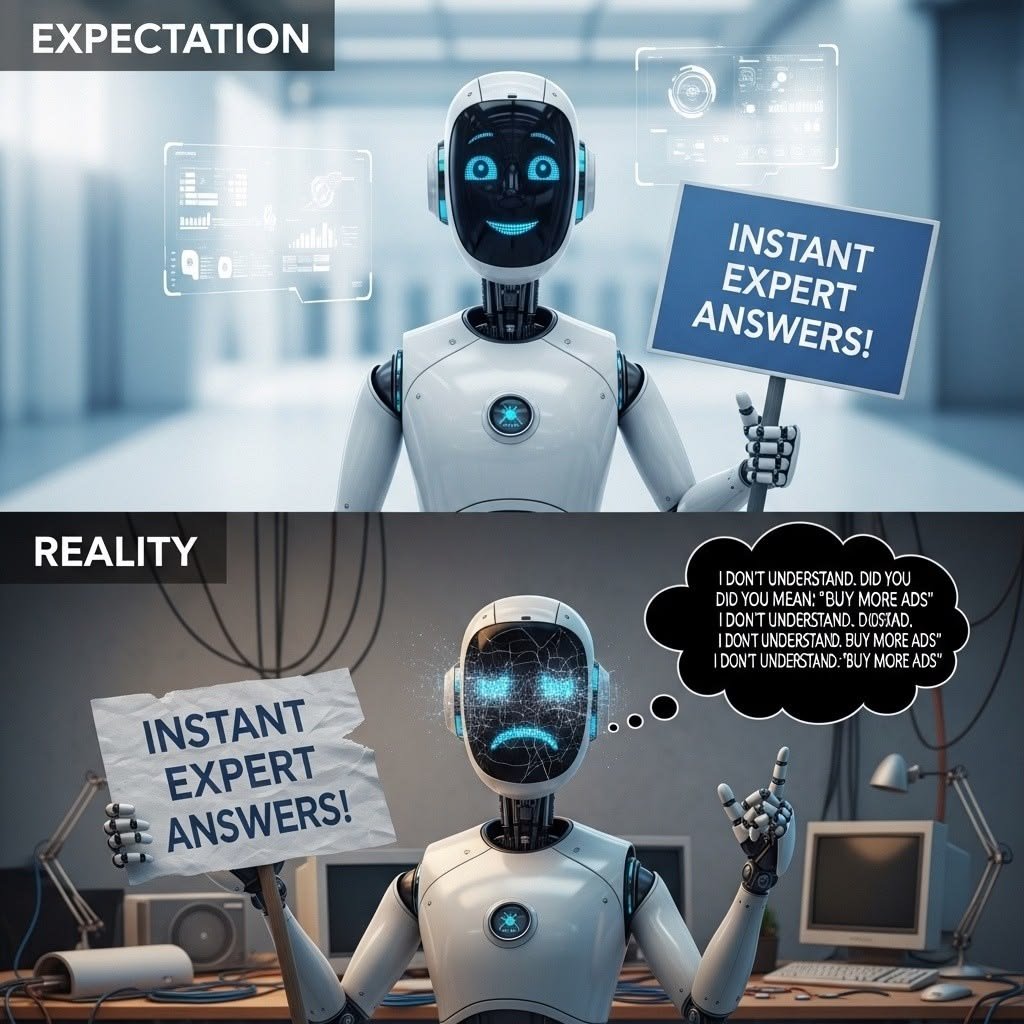
AI systems are not automatically fair just because they are machines.
Artificial intelligence learns from data, and that data can contain mistakes, gaps, or historical biases. If those problems are not identified, an AI system may reproduce them when making decisions.
This is particularly important when AI is used for employment, financial services, education, healthcare, or other areas that directly affect people’s lives.
Developers need to test their systems carefully, use appropriate data, monitor performance, and provide ways for important decisions to be reviewed.
Efficiency is valuable, but fairness and reliability matter just as much.
Privacy Could Become a Bigger Challenge
Intelligent machines also depend heavily on information.
An AI system may need data about locations, behavior, preferences, purchases, or other activities to make accurate predictions. While this can improve services, it also raises legitimate privacy concerns.
As machines become better at understanding human behavior, protecting personal information will become increasingly important.
Businesses and governments will need responsible data policies that explain what information is collected, why it is being used, and how it is protected.
Humans Should Remain Part of the Process
The smartest approach may not be giving machines complete control.
Instead, humans and AI could work together.
Machines are extremely good at processing large amounts of information quickly. They can recognize patterns that might take a person much longer to identify. Humans, however, can consider emotions, social context, ethical questions, and consequences in ways machines cannot fully replicate.
For low-risk tasks, full automation may make sense. For important decisions involving people’s safety, finances, or rights, human oversight can provide an essential layer of protection.
The goal should be to use AI as a powerful tool rather than blindly handing over control.
What Could the Future Look Like?
The next generation of intelligent machines may become more adaptable and capable.
Robots could learn to perform different tasks in the same environment. AI systems may become better at understanding natural language and responding to changing circumstances. Autonomous technologies could become more common in transportation, logistics, manufacturing, and other industries.
But technological progress should not be measured only by how much independence we can give machines.
A better measure is whether these systems make people’s lives safer, easier, and more productive while remaining understandable and accountable.
Conclusion
Machines are gradually moving beyond simple instructions. With artificial intelligence, they can analyze information, recognize patterns, and make increasingly complex decisions.
That development brings enormous opportunities, from smarter factories and safer transportation to more efficient businesses and useful robotic assistants.
At the same time, it creates difficult questions about jobs, privacy, fairness, safety, and responsibility.
The future is unlikely to be a simple story of machines replacing humans. A more realistic future may involve people and intelligent machines working together, with each contributing different strengths.
The important question is no longer simply whether machines can make decisions. It is whether we are prepared to decide when they should, how much authority they should have, and where human judgment must remain in control.