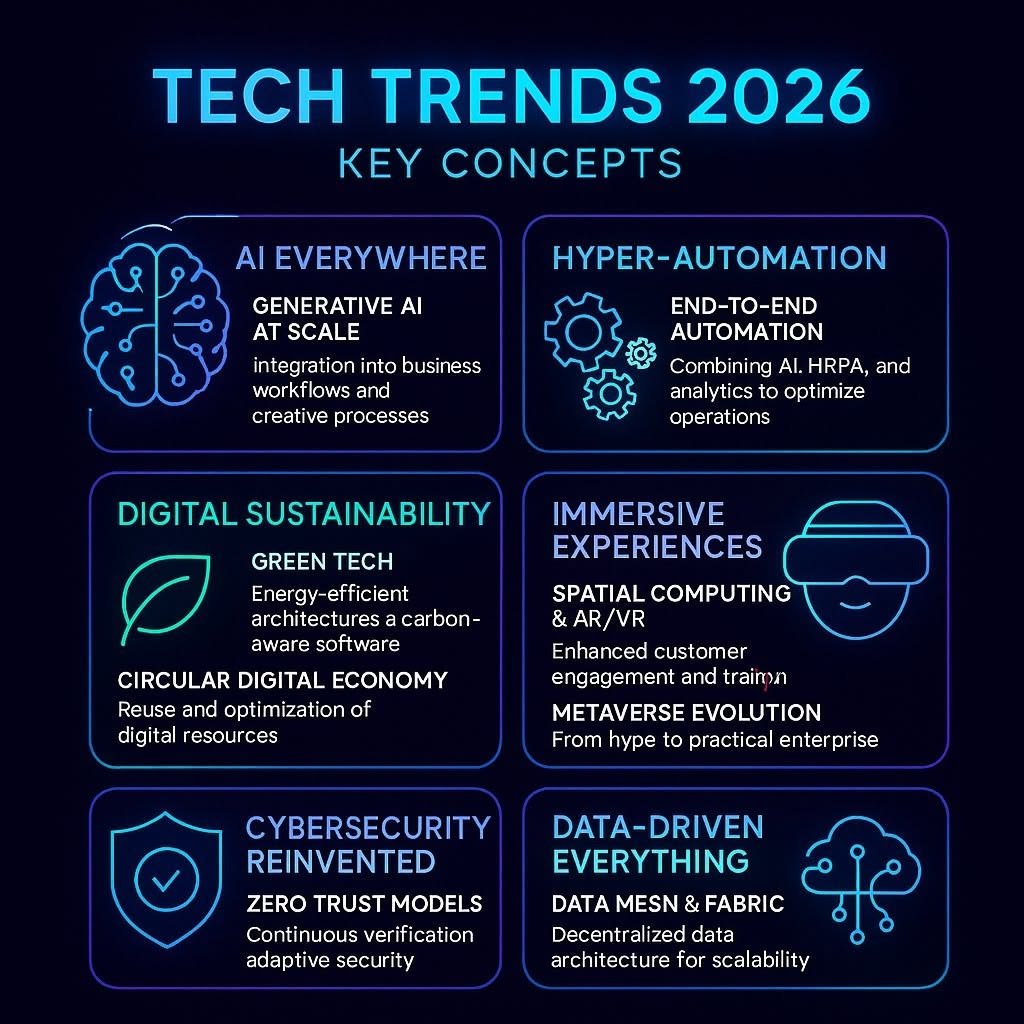
Technology is changing faster than ever, and 2026 is becoming an important year for digital transformation. From artificial intelligence and advanced computing to smart devices, cybersecurity, robotics, and cloud technology, innovation is influencing how people live, work, communicate, and solve everyday problems. The latest technology is not simply about creating powerful machines; it is about developing practical solutions that can improve efficiency, productivity, security, and convenience.
The TechRevolution 2026 represents a new phase of technological development in which artificial intelligence, automation, connected devices, and emerging digital systems are becoming increasingly integrated into everyday life. Businesses are adopting smarter tools, consumers are using more intelligent devices, and developers are building technologies designed to solve increasingly complex challenges.
Artificial Intelligence Is Driving the Tech Revolution
Artificial intelligence remains one of the most important areas of technology in 2026. AI systems can analyze large amounts of information, recognize patterns, generate content, support decision-making, and automate repetitive tasks. These capabilities are being applied across industries such as healthcare, finance, education, manufacturing, retail, transportation, and entertainment.
AI-powered software is also becoming more accessible to ordinary users. People can use intelligent assistants for writing, research, organization, coding, translation, and creative projects. Meanwhile, businesses are using AI to improve customer support, analyze data, optimize operations, and develop personalized services.
The next stage of AI development is focused on making systems more useful, reliable, and capable of working across multiple tasks. Instead of using separate tools for every activity, users are increasingly able to interact with intelligent systems that can assist with complete workflows.
Emerging Technology Is Reshaping Businesses
Digital transformation has become an important priority for businesses of all sizes. Companies are investing in cloud platforms, AI-powered software, automation tools, cybersecurity solutions, and data analytics to remain competitive in a rapidly changing market.
Automation can reduce repetitive manual work and allow employees to focus on more creative and strategic responsibilities. For example, automated systems can organize information, process routine requests, monitor business operations, and provide useful insights from large datasets.
Small businesses can also benefit from emerging technology. Affordable cloud services, digital marketing platforms, online payment systems, and AI tools allow smaller companies to access technologies that were once mainly available to large organizations.
The Rise of Smart Devices
Smartphones, laptops, wearable, smart home products, and connected appliances continue to evolve. Modern devices are becoming more intelligent, energy-efficient, and closely connected to digital services.
Smartphones are particularly important because they combine communication, entertainment, photography, productivity, payments, navigation, and artificial intelligence in a single device. Manufacturers are focusing on improved processors, advanced cameras, longer battery life, better displays, and AI-powered features.
Wearable technology is also expanding. Smartwatches and fitness devices can provide users with activity information, notifications, communication features, and other useful digital services. As sensors become smaller and more capable, connected devices may become even more integrated into everyday routines.
Cloud Computing and Modern Digital Infrastructure
Cloud computing is another major part of the TechRevolution 2026. Instead of depending entirely on local hardware, organizations can use remote computing resources to store information, operate applications, analyze data, and support digital services.
Cloud technology provides flexibility because businesses can scale computing resources according to their needs. It can also support remote collaboration, software development, data management, and AI applications.
As AI workloads become more demanding, modern digital infrastructure is becoming increasingly important. Data centers, high-performance processors, networking systems, and specialized computing hardware all contribute to the development of advanced digital services.
Cybersecurity Becomes More Important
As technology becomes more connected, cybersecurity is becoming a critical part of digital life. Businesses and individuals face risks such as phishing, account theft, malware, data breaches, and other forms of cybercrime.
Modern cybersecurity increasingly uses artificial intelligence and automated monitoring to identify suspicious activity. Security systems can analyze patterns, detect unusual behavior, and help organizations respond to potential threats more quickly.
However, technology alone cannot guarantee security. Strong passwords, multi-factor authentication, software updates, secure networks, careful handling of emails, and regular backups remain important practices.
The future of cybersecurity will require continuous innovation because attackers are also adopting advanced technologies. Organizations therefore need security strategies that can adapt to changing digital threats.
Robotics and Intelligent Automation
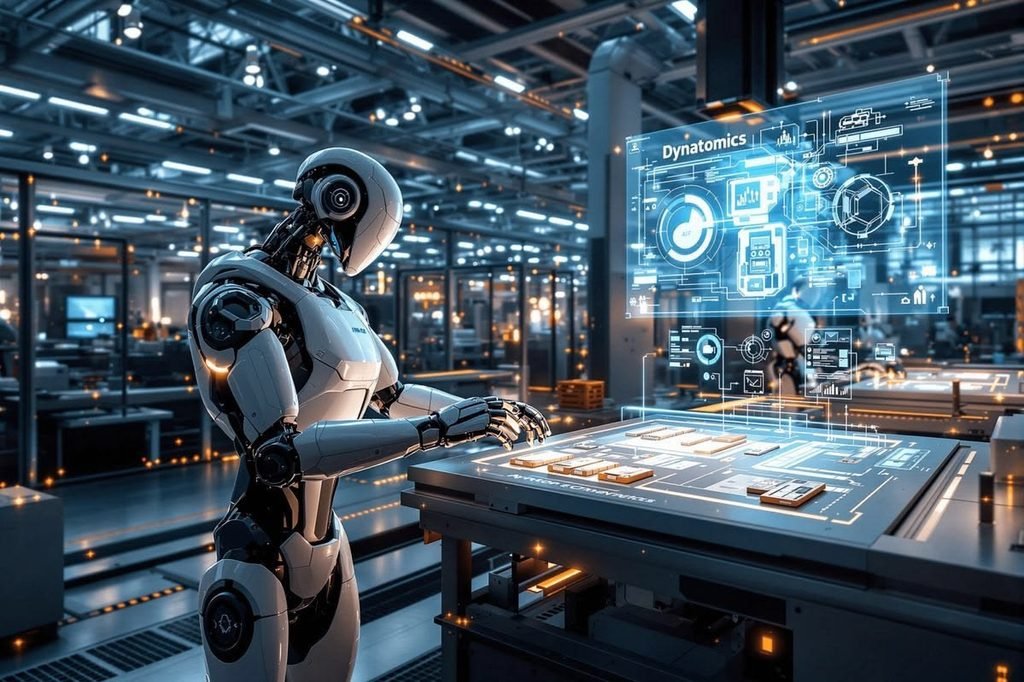
Robotics is moving beyond traditional industrial environments. Modern robots can perform increasingly complex tasks and are being developed for manufacturing, logistics, agriculture, healthcare, research, and other applications.
Artificial intelligence is helping robots understand environments, recognize objects, navigate spaces, and make decisions based on available information. This combination of robotics and AI could transform many workplaces.
In manufacturing, robots can assist with repetitive and precision-based operations. In logistics, automated systems can help move and organize products. In other areas, robots may support tasks that are difficult, dangerous, or highly repetitive for humans.
The goal is not simply to replace human activity. In many cases, robotics can work alongside people and improve productivity, safety, and consistency.
The Evolution of Digital Connectivity
Fast and reliable connectivity is essential for modern technology. High-speed networks allow smartphones, computers, vehicles, industrial equipment, and smart devices to communicate with digital services.
Improved connectivity can support applications such as remote collaboration, cloud computing, smart cities, connected vehicles, online education, and real-time digital services.
The growth of connected devices also increases the amount of data being generated. This makes efficient networking, secure infrastructure, and responsible data management increasingly important.
Sustainable Technology and Green Innovation
Technology is also playing a role in environmental sustainability. Companies and researchers are developing solutions designed to improve energy efficiency, reduce waste, and support cleaner production.
Renewable energy systems, electric vehicles, energy-efficient hardware, smart power management, and improved battery technologies are examples of areas where innovation can contribute to sustainability.
Data centers and computing infrastructure are also receiving attention because advanced digital services require significant energy and resources. More efficient hardware and smarter energy management can help reduce the environmental impact of expanding digital infrastructure.
The Importance of Human-Centered Innovation
While technology continues to advance, successful innovation depends on how effectively it solves real human problems. A powerful product is not necessarily useful if it is difficult to understand or access.
Human-centered design focuses on creating technology that is intuitive, accessible, reliable, and practical. Developers are increasingly considering user experience, privacy, security, accessibility, and transparency when building digital products.
Education will also become increasingly important. As new technologies enter workplaces, people will need opportunities to develop digital skills and understand how modern tools work. Continuous learning can help individuals adapt to changing professional environments.
What the Future of Technology May Bring
The technology landscape will continue to evolve as AI, robotics, cloud computing, advanced networks, cybersecurity, and smart devices become more interconnected. Future products may combine multiple technologies into unified platforms that can understand users, automate tasks, and respond to changing environments.
However, technological progress also creates important challenges. Privacy, cybersecurity, misinformation, responsible AI development, digital inequality, and workforce transformation require careful attention.
The future should therefore focus not only on making technology more powerful but also on making it trustworthy, secure, accessible, and beneficial to society.
Conclusion
TechRevolution 2026 represents a period of rapid innovation in which artificial intelligence and emerging technologies are transforming digital experiences. AI is becoming more capable, smart devices are becoming more connected, cloud computing is supporting modern infrastructure, robotics is expanding into new areas, and cybersecurity is becoming increasingly essential.
For businesses and individuals, understanding these developments can help them adapt to a changing digital world. Technology will continue to influence communication, education, business, entertainment, transportation, and everyday life.
The most important part of this revolution is not simply the technology itself. It is how people use innovation to solve problems, improve productivity, create opportunities, and build a more connected digital future. As 2026 progresses, the combination of human creativity and emerging technology will continue to shape what comes next.