Introduction
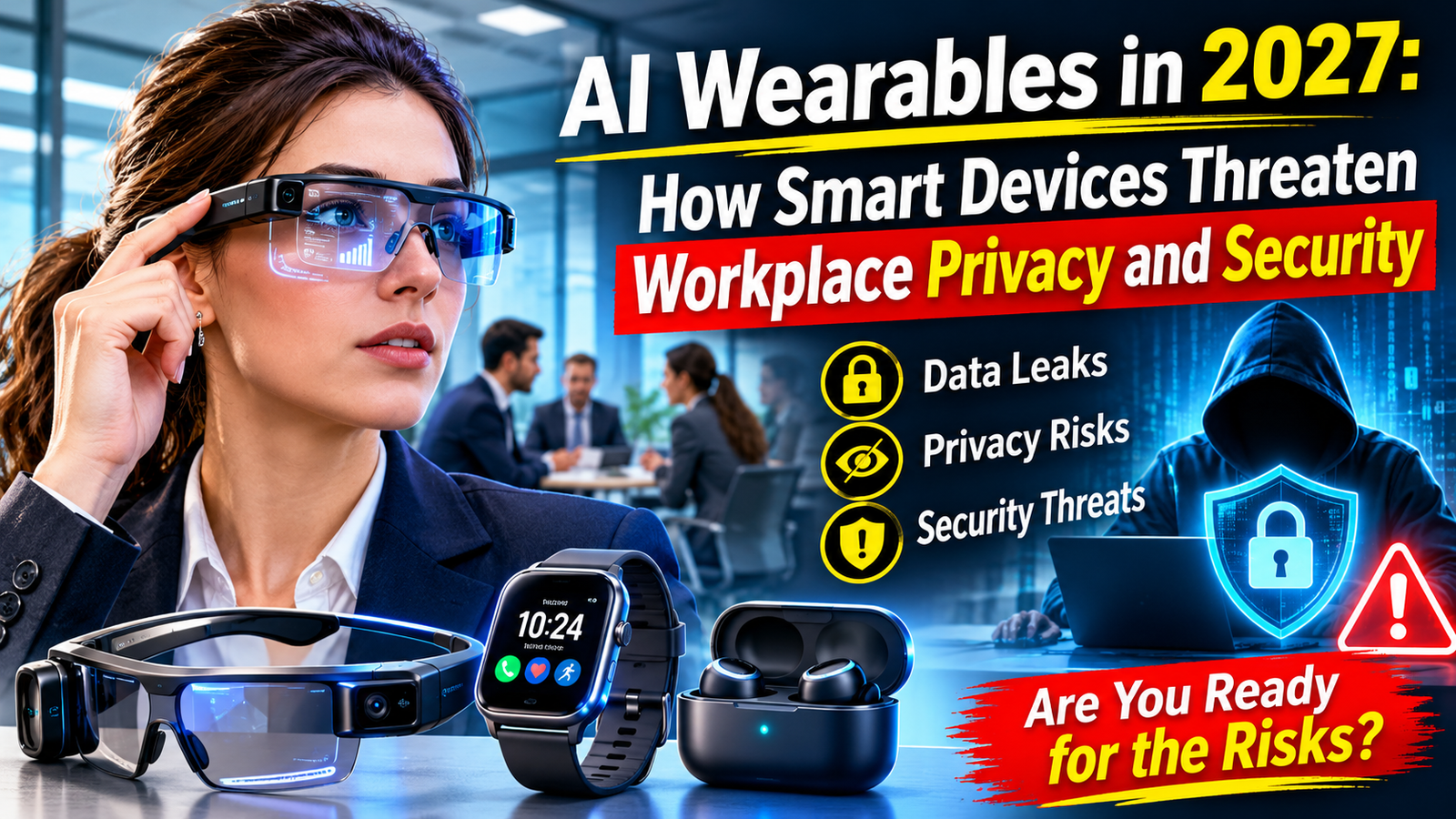
Artificial intelligence is changing the modern workplace, and wearable technology is becoming an important part of this transformation. AI-powered smart glasses, smartwatches, intelligent earbuds, and other connected devices are helping employees communicate, collect information, manage tasks, and boost productivity. However, these technologies also introduce serious concerns about workplace privacy, confidential business information, and cybersecurity.
AI wearables can capture conversations, record surroundings, analyze personal activities, and connect with cloud-based platforms. If these devices are used without proper security policies, sensitive office information could be exposed. Companies must understand both the benefits and risks of AI-powered wearable devices before allowing them into professional environments.
What Are AI Wearables?
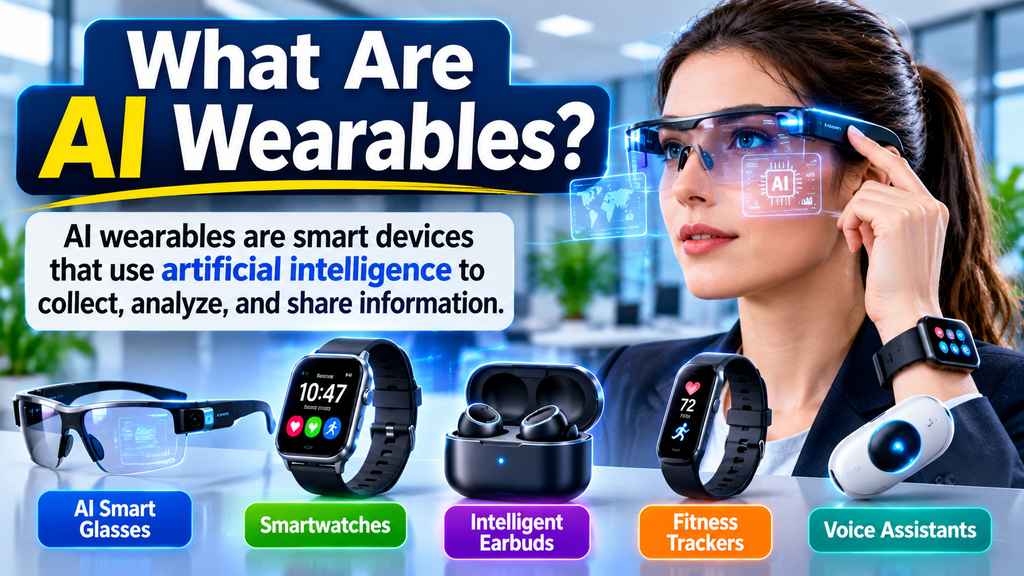
AI wearables are smart electronic devices that people can wear on their bodies. They use artificial intelligence, sensors, cameras, microphones, and internet connectivity to collect and process information.
Unlike traditional wearable devices, AI-powered wearables can perform more advanced tasks. For example, smart glasses may recognize objects, provide voice assistance, display notifications, and support real-time translation. Smartwatches can monitor activity, deliver alerts, and connect with business applications.
Common examples include:
- AI-powered smart glasses
- Smartwatches with AI features
- Intelligent wireless earbuds
- AI fitness and health trackers
- Voice-controlled wearable assistants
- Connected workplace safety devices
These products can make everyday work easier, but their ability to collect information creates new security challenges.
How AI Wearables Can Threaten Office Secrets
For example, an employee wearing AI smart glasses during a business meeting could potentially capture images, conversations, or confidential documents. If that information is stored or processed through an external cloud service, it may create additional privacy and data protection concerns.
Businesses handling financial records, customer information, product designs, and internal strategies must pay particular attention to these risks.
1. Unauthorized Recording in Meetings
This may expose company strategies, financial discussions, customer details, or internal business decisions.
2. Accidental Data Leakage
Some AI wearables connect with smartphones, cloud platforms, and third-party applications. Information collected by these devices may be synchronized across different services.
Poor security settings, compromised accounts, or unsafe applications could increase the risk of sensitive information being exposed.
3. Cybersecurity Vulnerabilities
Connected wearable devices can introduce additional entry points into a company’s digital environment. Weak passwords, outdated software, insecure wireless connections, and unpatched vulnerabilities may create opportunities for cybercriminals.
Organizations should treat connected wearables as part of their broader cybersecurity environment.
4. Employee Privacy Concerns
Companies should clearly explain what information is collected, why it is collected, and how it will be used.
AI Smart Glasses: A Growing Workplace Security Concern
AI smart glasses are among the most interesting developments in wearable technology. They can provide hands-free assistance, display useful information, recognize objects, and support communication.
However, their small cameras and microphones may create privacy concerns in offices, research laboratories, hospitals, and meeting rooms.
Imagine an employee entering a confidential product-development meeting while wearing camera-enabled smart glasses. If recording or image capture takes place without authorization, sensitive information could potentially be exposed.
For this reason, companies should establish clear rules about camera-enabled devices in restricted areas.
Benefits of AI Wearables in the Workplace
Despite these risks, AI wearables also provide valuable opportunities for businesses.
Improved Productivity: Smart glasses and voice assistants can help employees access information without constantly using computers or smartphones.
Workplace Safety: Wearable sensors can help monitor environmental conditions and provide alerts in certain industrial environments.
Hands-Free Communication: Intelligent earbuds and wearable assistants can support communication while employees perform other tasks.
Real-Time Assistance: AI-powered devices can provide instructions, translations, reminders, and useful information.
Employee Convenience: Smartwatches can deliver notifications and help workers manage schedules and daily activities.
The goal should not be to eliminate wearable technology but to introduce it responsibly.
How Businesses Can Protect Office Privacy and Security
Companies need practical policies to prevent AI wearables from becoming a security problem.
1. Create Clear Workplace Policies
Organizations should explain where wearable devices are allowed and where they are restricted. Recording devices may need to be prohibited in confidential meetings, research areas, and sensitive departments.
2. Protect Sensitive Information
Employees should avoid connecting personal wearable devices to business systems without approval. Companies should also limit access to confidential information.
3. Use Strong Security Settings
Businesses should encourage strong passwords, multi-factor authentication, regular software updates, and secure device configurations.
4. Train Employees
Workers should understand how wearable devices collect information and how their use could affect company privacy. Regular cybersecurity training can reduce accidental data exposure.
5. Review Third-Party Applications
Companies should carefully evaluate applications and cloud services connected to wearable devices. They should understand what information is collected, where it is stored, and who can access it.
6. Respect Employee Privacy
Employers should establish transparent monitoring practices and follow applicable privacy and employment laws. Collecting unnecessary personal information should be avoided.
The Future of AI Wearables and Office Security
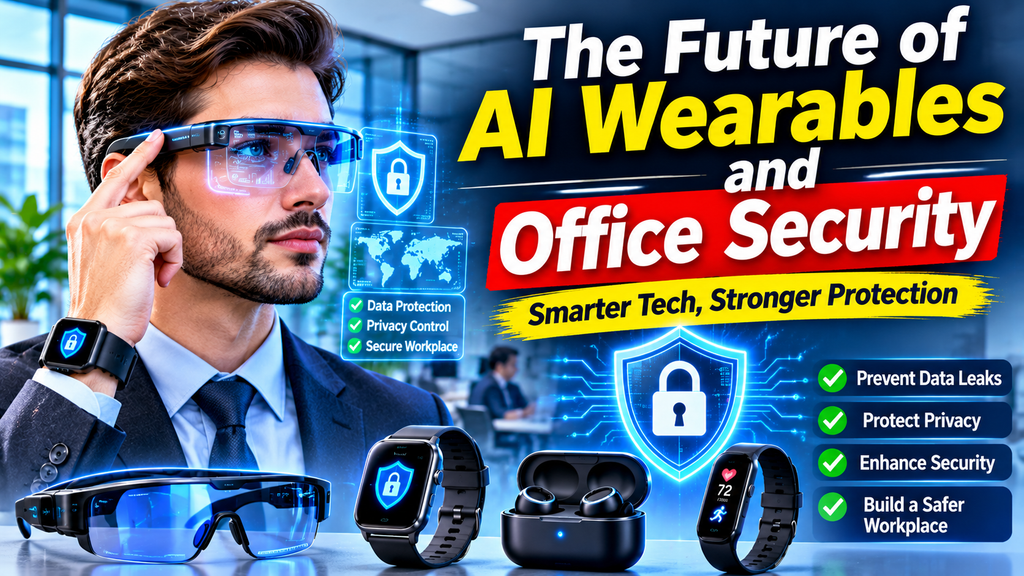
AI wearables are expected to become more advanced as artificial intelligence, sensors, wireless connectivity, and smart assistants continue to develop. Future devices may offer better voice recognition, real-time translation, improved workplace assistance, and more personalized experiences.
At the same time, businesses will need stronger security standards and more effective privacy controls.
Companies may increasingly introduce approved wearable devices, secure business applications, r Manufacturers will also need to focus on protecting user information and providing transparent privacy settings.
The future of wearable technology will depend not only on innovation but also on trust, responsibility, and digital security.
Frequently Asked Questions (FAQs)
1. What Are AI Wearables in 2027?
AI wearables in 2027 are intelligent devices such as smart glasses, smartwatches, and AI-powered earbuds that use artificial intelligence to collect, analyze, and process information.
2. How Can AI Wearables Threaten Workplace Privacy?
AI wearables may capture private conversations, images, employee activities, and confidential business information, creating potential workplace privacy risks.
3. Can AI Smart Glasses Record Office Conversations?
Yes, some AI smart glasses have built-in microphones and recording features that may capture conversations, depending on device capabilities and settings.
4. Why Are AI Wearables a Cybersecurity Risk?
Connected wearable devices may contain security vulnerabilities, weak passwords, unsafe applications, or insecure connections that could expose sensitive company data.
5. How Can Businesses Protect Office Secrets?
Businesses can protect confidential information by creating wearable device policies, restricting unauthorized recording, using strong security settings, and training employees.
6. Are AI Wearables Safe to Use at Work?
AI wearables can be useful when employees follow company policies and organizations apply proper privacy controls and cybersecurity measures.
7. What Are the Most Popular Types of AI Wearables?
Popular types include AI smart glasses, smartwatches, intelligent earbuds, fitness trackers, and voice-controlled wearable assistants.
8. Will AI Wearables Become More Common in 2027?
AI wearables are likely to become more advanced and useful as artificial intelligence, wireless connectivity, and smart device technology continue to develop.
9. Can AI Wearables Leak Confidential Company Data?
Yes, unauthorized recordings, compromised accounts, insecure cloud services, and poorly protected applications can potentially expose confidential business information.
10. What Is the Future of AI Wearables and Workplace Security?
The future will likely bring smarter wearable devices, improved privacy controls, stronger cybersecurity policies, and greater awareness of employee data protection.
Conclusion
AI wearables are creating exciting opportunities for modern workplaces, but they also introduce important risks to office privacy and business security. Smart glasses, intelligent earbuds, and connected watches can collect information that may include confidential conversations, workplace activities, and sensitive business data.
Organizations should not ignore these challenges. Clear device policies, employee education, strong cybersecurity practices, and responsible data management can help reduce potential risks.
AI wearables can become valuable workplace tools when businesses balance technological innovation with privacy protection and information security.
AI Wearables, AI Smart Glasses, Workplace Privacy, Office Security, Wearable Technology, Artificial Intelligence, Cybersecurity Risks, Employee Data Protection, Smart Devices, Workplace Safety, AI Technology, Data Privacy, Digital Security, Future of Work, Smart Wearables
AI Wearables, Smart Glasses, Workplace Security, Office Privacy, Artificial Intelligence, Cybersecurity, Wearable Technology, Data Protection, Smart Devices, Future Technology