
Technology is changing the way people live, work, communicate, and solve everyday problems. From artificial intelligence and smart devices to cloud computing and advanced cybersecurity, modern technology continues to create new possibilities across almost every industry. TechNova – Exploring the Future of Technology focuses on these developments and explains how emerging innovations are shaping the digital world.
The future of technology is not limited to futuristic concepts anymore. Many technologies that once seemed impossible are now becoming part of everyday life. Businesses are using intelligent software to improve operations, consumers are relying on connected devices, and developers are creating digital solutions that make complex tasks easier. As innovation continues to accelerate, understanding these changes has become increasingly important.
The Growing Role of Artificial Intelligence
Artificial intelligence has become one of the most influential areas of modern technology. AI systems can analyze large amounts of information, identify patterns, generate content, and assist people with a wide range of tasks. Businesses are using AI for customer support, data analysis, marketing, automation, and decision-making.
Machine learning, a major branch of artificial intelligence, allows computer systems to learn from data and improve their performance over time. This technology is being applied in areas such as healthcare research, financial services, transportation, education, and cybersecurity.
At the same time, the growth of AI brings important questions about privacy, accuracy, transparency, and responsible use. Organizations need to consider how automated systems handle information and how their decisions affect users. Therefore, the future of AI will depend not only on technical progress but also on responsible implementation.
Smartphones and Connected Devices
Smartphones have evolved from simple communication devices into powerful computing platforms. Modern smartphones can support professional photography, mobile payments, navigation, entertainment, productivity, and artificial intelligence features.
The development of connected devices is also expanding the role of technology beyond smartphones. Smart watches, wireless accessories, home security systems, smart televisions, and other Internet of Things devices can communicate with networks and exchange information.
This growing ecosystem is creating a more connected lifestyle. However, greater connectivity also means that users need to pay attention to security settings, software updates, permissions, and personal data protection.
The Future of Cloud Computing
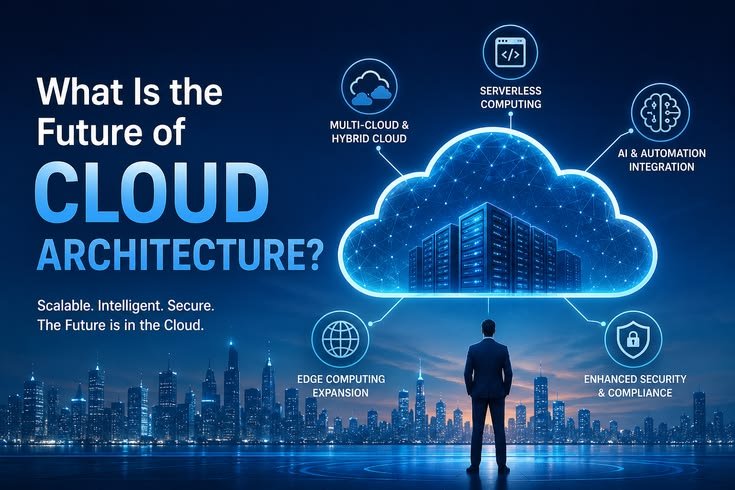
Cloud computing has transformed the way businesses store, access, and manage digital resources. Instead of depending entirely on physical servers, organizations can use cloud platforms to access computing power, storage, databases, and software through the internet.
One major advantage of cloud technology is flexibility. Companies can increase or reduce resources according to their needs without making large investments in physical infrastructure. Cloud services can also support remote teams, online applications, data backup, and digital collaboration.
As businesses continue moving toward digital operations, cloud computing is expected to remain an important foundation for modern technology. The combination of cloud platforms with artificial intelligence and data analytics may create even more powerful digital solutions.
Cybersecurity in a Connected World
As technology becomes more connected, cybersecurity becomes increasingly important. Individuals and organizations face various digital threats, including phishing, malware, account attacks, data theft, and other forms of cybercrime.
Modern cybersecurity involves more than simply installing antivirus software. Strong passwords, multi-factor authentication, secure networks, regular software updates, encryption, and employee awareness can all contribute to better digital protection.
Businesses are also investing in security technologies that can identify unusual activity and respond to potential threats. Artificial intelligence and machine learning are increasingly being explored for detecting suspicious patterns and improving security monitoring.
The future of technology will therefore require a balance between convenience and protection. New digital services must be designed with security and privacy in mind from the beginning.
The Rise of Smart Technology
Smart technology is becoming increasingly common in homes, workplaces, transportation systems, and public services. Smart devices can collect information through sensors and use software to respond to changing conditions.
For example, smart home systems can help users manage lighting, temperature, security cameras, and other household functions. In business environments, connected sensors can monitor equipment and provide information that helps organizations identify maintenance needs.
Smart technology can improve efficiency and convenience, but it also creates challenges related to data collection and interoperability. Devices from different manufacturers need reliable communication standards so that users can build connected environments without unnecessary complexity.
Emerging Trends in Digital Innovation
Technology development is not focused on a single field. Several areas are progressing simultaneously and influencing one another.
Extended reality, including virtual reality and augmented reality, is creating new approaches to entertainment, education, training, and digital interaction. Robotics is becoming more capable, with applications in manufacturing, logistics, research, and other industries.
Meanwhile, advanced computing technologies are being explored for problems that require extremely high levels of processing power. These developments may eventually influence areas such as scientific research, optimization, security, and complex simulations.
Another important trend is edge computing. Instead of sending every piece of data to a distant data center, edge computing allows some processing to happen closer to where information is generated. This can help reduce delays and support applications that require faster responses.
Technology and the Future of Work
Technology is also changing professional environments. Remote collaboration platforms, automation tools, cloud applications, and AI-powered assistants are helping people complete tasks more efficiently.
Automation may reduce the amount of time employees spend on repetitive activities, allowing them to focus on creative, strategic, and interpersonal responsibilities. However, technological change can also require workers to develop new skills.
Digital literacy, data awareness, communication, problem-solving, and the ability to work with modern software are becoming increasingly valuable. Continuous learning may become an essential part of professional development as new technologies enter the workplace.
Sustainable Technology and Green Innovation
The future of technology is also connected to environmental sustainability. Companies and researchers are exploring ways to reduce energy consumption, improve resource efficiency, and develop cleaner technologies.
Renewable energy systems, electric transportation, energy-efficient computing, smart power grids, and improved battery technologies are examples of areas where innovation can contribute to sustainability.
Data centers and large computing systems also require significant amounts of energy. As demand for digital services grows, improving energy efficiency will become an important challenge for the technology industry.
The Importance of Responsible Innovation
Innovation can provide significant benefits, but technological progress also requires responsibility. Developers, businesses, governments, and users all have roles to play in ensuring that technology is used safely and ethically.
Privacy should be considered when collecting personal information. AI systems should be tested carefully to reduce errors and unintended outcomes. Digital services should also be accessible to as many people as possible.
Responsible innovation means looking beyond what technology can do and considering how it should be used. This approach can help create digital products that provide useful solutions while respecting users and society.
What the Future May Bring
The next generation of technology will likely be more connected, intelligent, automated, and personalized. Artificial intelligence may become more deeply integrated into software and devices, while cloud and edge computing will continue supporting digital services.
At the same time, cybersecurity and privacy will remain central concerns. Consumers will need greater awareness of how their data is collected and protected, while organizations will need stronger systems to manage increasingly complex digital environments.
The most interesting part of technological development is that many future innovations are still being created. Startups, researchers, engineers, and established technology companies continue experimenting with new ideas that could change how people interact with computers and the physical world.
Conclusion
TechNova – Exploring the Future of Technology represents a journey through the innovations shaping the modern digital landscape. From artificial intelligence and cloud computing to smart devices, cybersecurity, robotics, and sustainable technology, the future is being built through continuous experimentation and improvement.
Technology can make everyday tasks easier, help businesses operate more efficiently, and create new opportunities for communication and discovery. However, meaningful progress requires more than rapid innovation. Security, privacy, accessibility, sustainability, and responsible development must remain part of the conversation.
As technology continues to evolve, staying informed can help individuals and organizations understand new opportunities and prepare for future changes. The digital future is already taking shape, and the next chapter of technology will be defined by the ideas, innovations, and responsible choices made today.